 English
 中文
中文  english
A powertrain control module acts as the core electronic control unit that governs all key powertrain systems in vehicles. This powertrain control module gathers real-time data from various sensors and delivers precise commands to maintain steady engine performance and smooth transmission operation. It serves as the central operational hub that ensures consistent, efficient functioning of the entire automotive power system for all motor vehicle types.
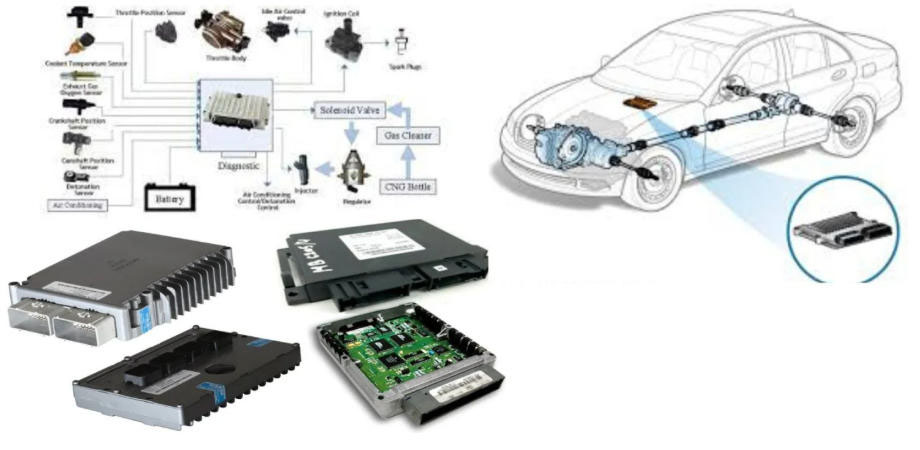
What core functions does a powertrain control module perform
A powertrain control module is mainly responsible for data collection, signal analysis and systematic operational regulation. It continuously receives input signals from oxygen sensors, speed sensors and temperature sensors installed across the vehicle.
It automatically adjusts fuel injection volume, ignition timing and gear shift logic in real time. Such accurate regulation effectively cuts fuel consumption and reduces exhaust emissions during regular vehicle operation.
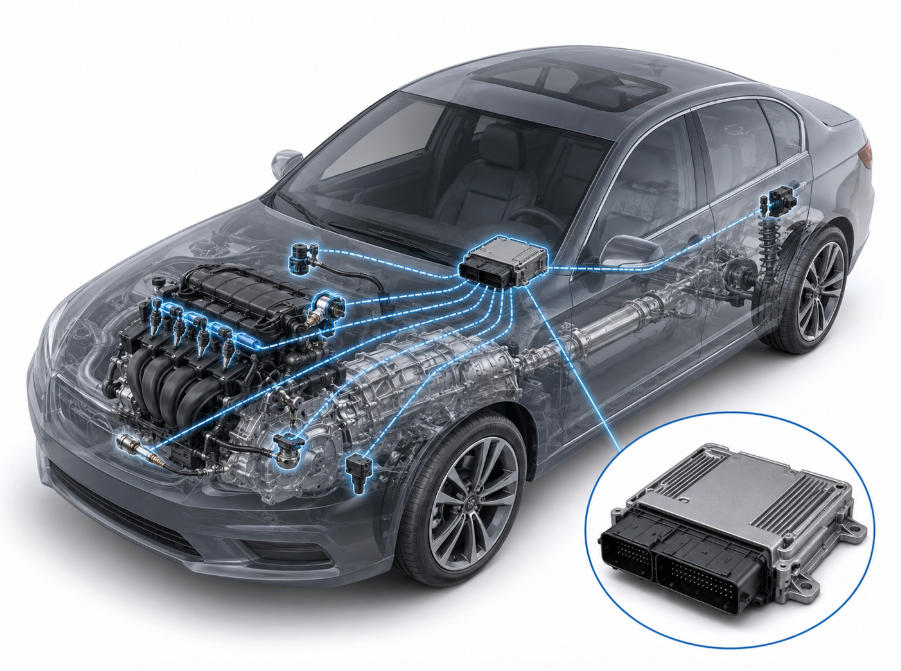
How does a powertrain control module work with vehicle sensors
All vehicle-mounted sensors transmit real-time operational data directly to the powertrain control module non-stop. This module instantly sorts valid data and filters out external signal interference and abnormal readings.
Once data computation is completed, it sends out control signals to engine actuators and transmission components. The entire operational cycle finishes within milliseconds to sustain stable and balanced vehicle power output.
What key components make up a complete powertrain control module
A standard powertrain control module is composed of a main control chip, storage chips, signal processing circuits and external connection ports. Built-in storage units permanently record vehicle operational logs and preset control programs.
Auxiliary circuit assemblies provide voltage stabilization and signal conversion support. These internal structural designs enable stable long-term operation under high-temperature and vibration-prone driving environments.
What are the common failure signs of a powertrain control module
Unstable engine idling is the most noticeable early failure symptom of this control module. Users may also experience fluctuating vehicle acceleration and delayed gear shift responses.
The vehicle malfunction indicator lamp remains lit constantly, and cold-start difficulty occurs frequently. Severe internal damage can lead to sudden power loss and complete driving inability.
Why does powertrain control module failure affect vehicle power output
When the powertrain control module malfunctions, it can no longer issue accurate fuel delivery and ignition timing commands. The engine combustion process loses unified and precise regulation immediately.
Mismatched power supply and actual power demand result in insufficient power delivery or abrupt power surges. This situation severely compromises driving safety and daily driving comfort.
Which mainstream industries widely apply powertrain control module solutions
Automotive Electronics
Automotive electronics stands as the primary application field for the powertrain control module. It is widely fitted in passenger vehicles, commercial vehicles and new energy transport vehicles.
It resolves issues including unstable power performance, original part shortages and prolonged component lead times. Reliable module replacement solutions guarantee uninterrupted mass vehicle production schedules.
New Energy
New energy transport equipment heavily adopts optimized versions of the powertrain control module. It perfectly adapts to hybrid power assemblies and core power structures of new energy vehicles.
It addresses problems such as discontinued original components and poor system compatibility. It also helps new energy products fully comply with mainstream energy-saving and emission-reduction industry standards.
Drone and UAV
Heavy-duty industrial drones adopt customized lightweight powertrain control module units. These units manage internal power distribution and endurance adjustment of drone power assemblies.
They elevate overall solution stability and replace out-of-stock core control components efficiently. This ensures steady power output for industrial inspection and cargo delivery drone operations.
Instruments
Vehicle testing devices and mobile power monitoring instruments adopt compatible powertrain control module auxiliary units. These units assist professional equipment in collecting and analyzing vehicle power operational data.
They shorten material preparation cycles and optimize overall circuit layout designs. This effectively improves detection precision and long-term operational stability of professional testing instruments.
What is the difference between powertrain control module and engine control unit
| Comparison Item | Powertrain Control Module | Engine Control Unit |
|---|---|---|
| Control Coverage | Entire engine and full transmission assembly | Solely internal engine systems |
| Signal Reception Scope | All powertrain-associated vehicle sensors | Engine-specific dedicated sensors only |
| Core Control Objectives | Overall power coordination and gear shift management | Engine combustion efficiency and fuel supply adjustment |
| Primary Application Scenarios | Integrated full-vehicle power system regulation | Independent engine operational management |
| Functional Expandability | Strong compatibility for multi-system linkage | Fixed single functions with limited expansion potential |
This intuitive comparison table allows industry practitioners to distinguish these two mainstream control units rapidly. Professionals can select suitable electronic control accessories according to actual product development requirements.
How to conduct daily maintenance for a powertrain control module
During regular usage, keep the powertrain control module installation area away from water infiltration and oil contamination. Inspect external wiring harnesses regularly for aging signs and loose connectors.
Avoid prolonged operation under extreme high-temperature working conditions. Clean surface dust regularly to ensure sufficient heat dissipation and extend the overall service lifespan effectively.
Can a faulty powertrain control module be repaired or must it be replaced
Minor signal circuit faults of the powertrain control module can be fixed via professional circuit debugging. Basic line troubleshooting can quickly restore core operational functions.
If the internal main control chip burns out or core stored data gets permanently corrupted, direct component replacement becomes the most practical solution. Matching replacement units can fully restore original vehicle power control performance.
How to select high-quality qualified powertrain control module accessories
First confirm that selected modules match vehicle voltage standards and overall power system parameters perfectly. Verify full compatibility with original vehicle sensor signal protocols before final selection.
Prioritize products with certified high temperature resistance and anti-vibration grades. Establish cooperation with trustworthy suppliers to avoid discontinued models and unstable modified versions.
FAQ: Common Questions About Powertrain Control Module
1. Q: Do all modern vehicles require a powertrain control module?
A: Nearly all contemporary fuel-powered and hybrid vehicles are equipped with this core control unit. Traditional purely mechanical power vehicles do not require such electronic control installations.
2. Q: Can upgrading a powertrain control module greatly boost vehicle power?
A: Reasonable program tuning can moderately optimize overall power delivery status. Blind arbitrary modification cannot achieve substantial power improvement and may trigger multiple vehicle fault codes.
3. Q: What is the standard operating temperature range for a powertrain control module?
A: Its stable working temperature ranges from -20 degrees Celsius to 85 degrees Celsius. Operating beyond this scope easily causes signal lag and abnormal control responses.
4. Q: Can powertrain control modules from different brands be interchanged freely?
A: Cross-brand universal installation is not feasible. Different manufacturers adopt distinct internal operating programs and signal protocols, which lead to systemic operational disorders after random replacement.
5. Q: Will insufficient vehicle battery power interfere with powertrain control module operation?
A: Low vehicle battery voltage directly causes unstable module performance. It triggers incorrect signal judgment and irregular power adjustment behaviors instantly.
6. Q: What is the average service lifespan of a standard powertrain control module?
A: With routine maintenance and standard driving habits, its service life can exceed ten years. Harsh long-term working environments will obviously shorten its usable duration.
7. Q: Does a powertrain control module need regular official program updates?
A: Mass-produced finished vehicles do not require frequent firmware upgrades. Only customized new energy models and modified vehicles need targeted program optimization and updates.
8. Q: What main factors lead to water damage inside a powertrain control module?
A: Vehicle wading travel, cabin sealing defects and aging wiring interfaces are the leading causes. Internal water penetration easily results in short circuits and permanent hardware damage.
9. Q: Can portable professional tools quickly detect powertrain control module faults?
A: Specialized vehicle diagnostic tools can accurately read internal module fault codes. These tools efficiently pinpoint specific faulty areas and root causes of operational failures.
10. Q: Will modified exhaust systems alter powertrain control module operational data?
A: Revised exhaust structures change regular sensor feedback data. The module will automatically adjust built-in control strategies, which often leads to abnormal fuel consumption figures.
11. Q: Are there compact low-power powertrain control modules for small vehicles?
A: Custom mini low-power versions are available for compact cars and miniature transport vehicles. They fit limited installation spaces and satisfy low energy consumption design demands.
12. Q: How to confirm successful matching after installing a new powertrain control module?
A: Start the vehicle and check idle stability and acceleration smoothness after installation. Zero fault code alerts and fully functional power systems confirm complete matching success.
Professional Component Matching Services for Powertrain Control Module
We provide full-series model matching, discontinued component substitution and complete supporting accessory supply services focused on powertrain control module related parts. Our service coverage meets procurement demands across automotive electronics, new energy, drone and precision instrument industries.
We offer free BOM health analysis and free DFM report generation services for all cooperative clients. These professional services help users screen high-risk out-of-stock components in advance and optimize overall circuit design layouts.
Melson Electronics supplies stable and authentic powertrain control module units and matched electronic components worldwide. If you have bulk procurement plans, model verification needs or technical solution optimization demands, please send your detailed requirements to our official email sales@melsonchip.danyupcbs.com. Our professional technical team will provide timely replies and one-on-one follow-up support promptly.