 English
 中文
中文  english

A lighting control module is the core electronic component that manages power distribution, switching adjustment and dimming functions for all lighting systems. This reliable lighting control module integrates drive circuits and signal processing units to stabilize the operation of lighting equipment across various electronic products. It streamlines internal wiring design and cuts redundant circuit development workload for integrated intelligent lighting systems in diverse industrial sectors.
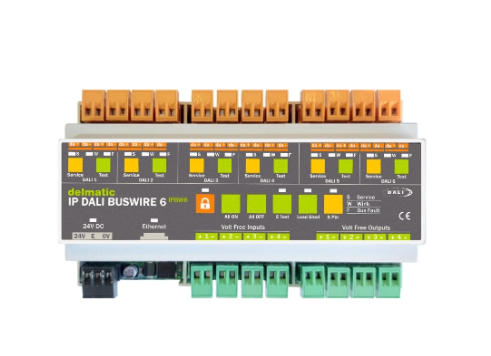
What Exactly Is a Lighting Control Module
A lighting control module is a dedicated assembled circuit unit engineered to regulate power output, brightness levels and operating modes of various lighting fixtures. It receives command signals from main control boards or external sensors to execute automatic or manual switching, dimming and timing control accurately. This standardized electronic assembly replaces scattered discrete circuits and greatly improves the integration level of whole lighting systems.
How Does a Lighting Control Module Function Internally
The core working principle relies on internal signal collection and regulated power distribution. The module first captures control instructions from main controllers or sensor modules, then adjusts internal current and voltage values to alter lighting operating states. Built-in overcurrent and overheating protection circuits effectively prevent component damage and ensure long-term consistent operation of the entire lighting system.
What Core Features Does a Lighting Control Module Possess
Basic mainstream features include one-click on-off control, stepless brightness dimming and delayed light activation modes. Most advanced modules also support remote signal linkage, grouped synchronous lighting control and low-power sleep modes. These practical functions fully satisfy energy-saving and intelligent control requirements for industrial, commercial and residential lighting installations.
What Are the Main Application Scenarios for Lighting Control Modules
This essential electronic module is widely adopted across high-growth industrial electronics fields. Its most prevalent application areas cover automotive electronics, LED lighting facilities, industrial control devices and new energy supporting equipment. Customized parameter versions are developed to fit distinct voltage standards and harsh environmental working conditions in different industries.
Why Prefer Integrated Lighting Control Modules Over Discrete Circuits
Integrated modules occupy less installation space and require far fewer peripheral auxiliary electronic parts during PCB assembly. They feature consistent performance parameters and much lower failure rates compared with manually assembled discrete circuit combinations. Design teams can directly embed finished modules without repeated circuit performance verification to accelerate project progress.
Key Parameters to Evaluate When Selecting Lighting Control Modules
Rated operating voltage, maximum load current and compatible control signal types are the three primary selection benchmarks. Operating temperature tolerance and static standby power consumption also directly determine long-term service lifespan in harsh working environments. Proper matching with actual load power avoids common issues such as light flickering and circuit burnout.
Can Lighting Control Modules Work Stably in Extreme Temperatures
Industrial-grade lighting control modules are designed to operate steadily within a wide temperature range for complex field environments. Professional-grade variants maintain stable control performance under both ultra-low and high-temperature working conditions. Ordinary civilian-grade modules are only suitable for constant-temperature indoor fixed installation environments.
Common Control Signal Types Supported by Lighting Control Modules
Most standard modules reserve access ports for PWM dimming signals, analog voltage signals and dry contact switch signals. Upgraded versions are embedded with wireless signal receiving interfaces to realize wireless remote brightness and switch adjustment. Rich reserved interfaces enable seamless docking with various mainstream main control system solutions effortlessly.
Industry Application Matching Solutions for Lighting Control Modules
| Applied Industry | Matched End Products | Solved Core Issues | Component Replacement Benefits |
|---|---|---|---|
| Automotive Electronics | Vehicle interior ambient lights, auxiliary headlight control units | Resolve part shortages, discontinued components and prolonged delivery cycles | Replace obsolete control chips and shorten automotive electronic lighting project development cycles |
| LED Lighting | Smart street lamps, commercial panel lights and scene decorative lights | Fix unstable drive performance and simplify later equipment maintenance | Universal modules replace scattered brand-specific drive circuits and unify maintenance standards |
| Industrial Control | Workshop partition lighting, automated equipment indicator light systems | Adapt to frequent start-stop operation and enhance anti-interference capability | Standard modules replace customized discrete circuits and reduce on-site debugging difficulty |
| New Energy | Energy storage cabinet indicator lights, photovoltaic system supporting lighting fixtures | Adapt to low-energy power supply environments and reduce overall system power consumption | Low-power-consumption modules replace high-energy traditional control units to save operational costs |
How to Optimize PCB Layout for Installing Lighting Control Modules
Designers need to separate power circuit zones and signal control zones to avoid mutual electromagnetic interference. Reserve sufficient heat dissipation space around high-load internal components to slow down temperature rise during continuous operation. Preserve reserved wiring positions to facilitate later module replacement and functional iteration upgrades conveniently.
Common Hidden Malfunctions of Lighting Control Modules
Long-term overload operation easily triggers internal circuit aging and gradual brightness attenuation failures. Humid working surroundings may cause internal short circuits and delayed signal response faults. Mismatched input working voltage remains the leading cause of direct module burnout and total functional failure.
FAQ: Frequently Asked Questions About Lighting Control Modules
1. Are lighting control modules fully compatible with all LED light sources?
Universal standard modules work well with most conventional LED beads and lamp panels. Only high-power concentrated light sources need targeted parameter modification for perfect matching.
2. Do lighting control modules require additional heat dissipation accessories?
Modules running under low load need no extra heat dissipation parts. Extra heat conduction structures are recommended for modules working under continuous high-load conditions.
3. Is synchronous linkage operation available for multiple lighting control modules?
Yes. Users can realize unified switching and synchronous dimming effects by adopting standardized unified signal wiring connection methods.
4. What is the standard service lifespan of regular lighting control modules?
Under rated load and standard working environments, qualified modules can maintain stable performance for more than five years with minimal daily faults.
5. Can users adjust built-in control modes of finished lighting control modules?
Basic control logic can be adjusted via external wiring modification. In-depth functional changes require professional internal program rewriting and debugging.
6. Are low-voltage and high-voltage lighting control modules interchangeable?
These two categories are strictly non-interchangeable. Wrong voltage connection will lead to irreversible permanent damage to internal circuit structures.
7. Do lighting control modules consume noticeable power during standby mode?
All qualified finished modules adopt ultra-low standby power design, which will not cause unnecessary long-term energy consumption in idle status.
8. Can lighting control modules be directly used for outdoor waterproof installation?
Ordinary versions need extra waterproof shell assembly. Specially customized waterproof-grade modules support direct open-air outdoor installation and use.
How to Conduct Rapid Sample Testing for Lighting Control Modules
Start with basic circuit docking tests to verify normal switching and dimming core functions. Proceed with long-term continuous aging tests to confirm stable performance under uninterrupted working status. Finally conduct overall linkage debugging with actual end products to complete full performance confirmation efficiently.
All-Round Technical Support & Solution Matching Service
We provide complete customized lighting control module solutions covering full-spectrum industrial application demands. Our professional technical team offers accurate alternative component selection for out-of-stock, discontinued and long-lead-time electronic parts. We offer free BOM health analysis and free DFM report generation to help clients optimize overall circuit solution rationality and lower project development risks.
Melson Electronics supplies high-quality and fully-specified lighting control module products that meet diverse industrial application standards. If you have bulk purchasing demands, customized parameter development plans or full-set electronic component supporting requirements, please send your detailed project requirements to our official email address: sales@melsonchip.danyupcbs.com. Our professional technical team will reply promptly and deliver targeted optimized solutions to meet your actual production needs.